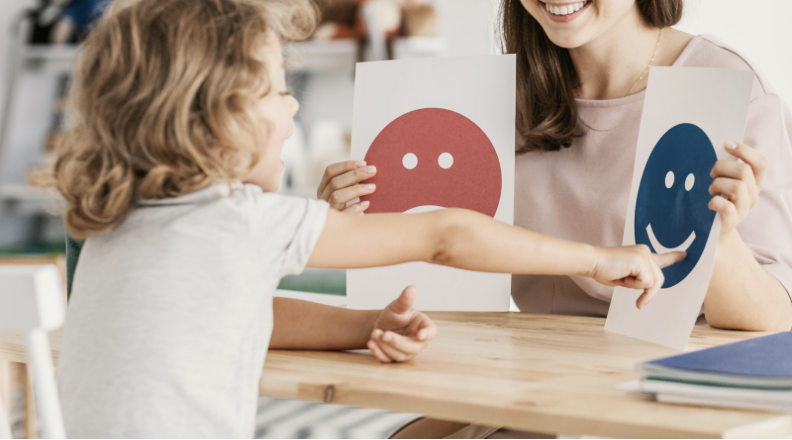

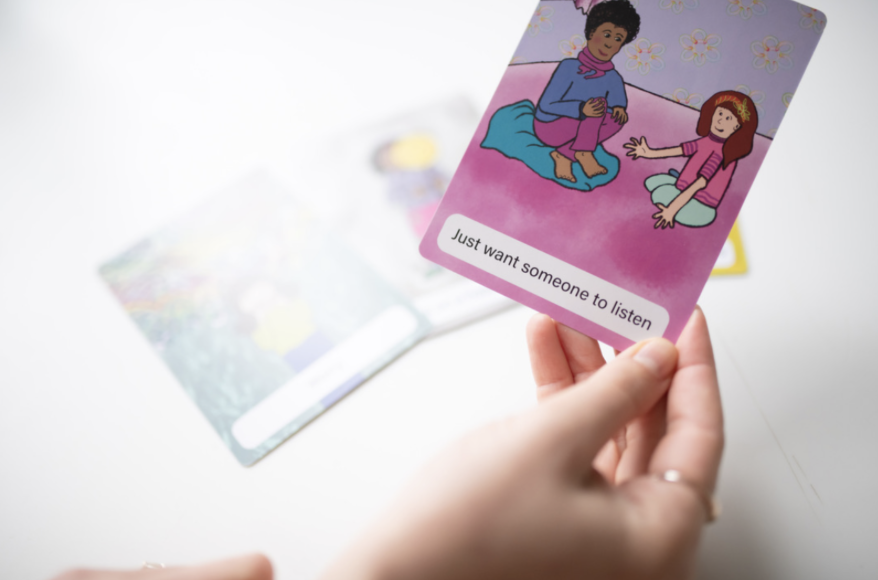
“It helps me feel calm.”
For many children, Emotional Literacy Support Assistant (ELSA) sessions are more than just an intervention in school. They are a space where children feel listened to, understood, and emotionally safe.
ELSAs are becoming a familiar part of many schools’ support provision. Initially introduced by Southampton Educational Psychology Service in 2001, ELSA was developed to meet the growing psychological need for social and emotional support amongst children and young people (CYP) (Woodcock, 2007). Originally, it was developed for primary aged children however it has since expanded to adapt to secondary educational settings (Burton et al, 2009).
The ELSA intervention has been received very positively amongst school staff, parents, ELSAs and children themselves. ELSAs have rated the program as helpful and empowering, with teachers also claiming the intervention has had a positive impact on CYP (Wong et al, 2020). Parents have also observed a positive impact on children’s social and emotional development following the ELSA intervention (Wilding & Claridge, 2016).
Whilst there is a growing evidence base exploring the effects of ELSA on children’s outcomes, comparatively less attention has been given to children’s own perspectives. Recent research is beginning to address this gap, offering a valuable insight into how children themselves experience and make sense of their ELSA sessions.
“She actually listens to me”
A key aspect of ELSA is the quality of the relationship between the child and the adult delivering the intervention. This relational connection has been widely recognised as a central factor in effective emotional and therapeutic work with children in school settings (Pianta, 1999; Hattie, 2009).
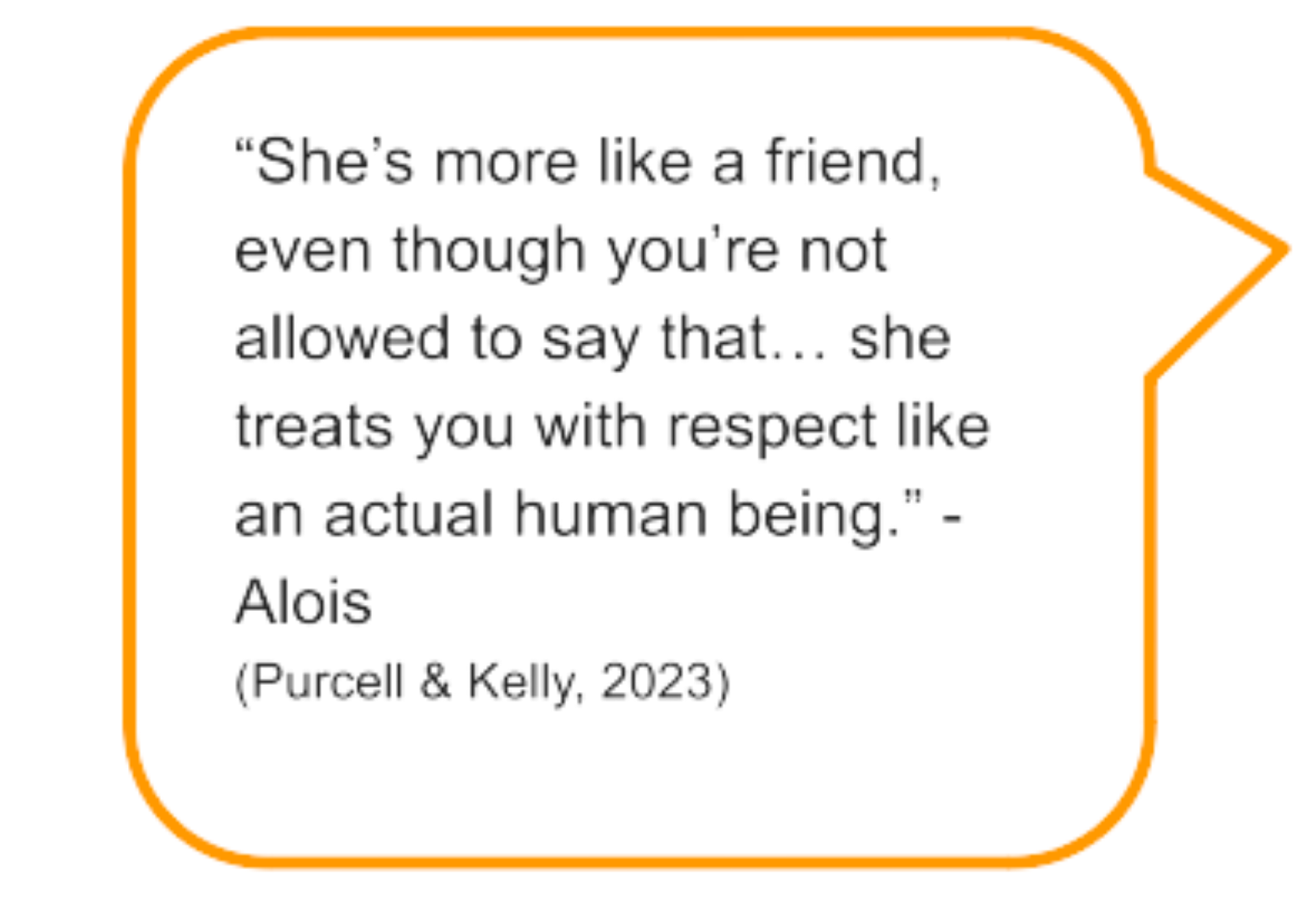
Children often describe their ELSA relationship as unlike any other in school. Alois captured this with striking honesty: “She’s more like a friend, even though you’re not allowed to say that… she treats you with respect like an actual human being.” What stands out in reflections like this isn’t just that children feel liked – it’s that they feel genuinely seen. Research consistently confirms this experience, with pupils describing ELSA sessions as a space where they can express themselves more openly than anywhere else in school (Wong et al., 2020). These findings align with principles of Attachment Theory (Ainsworth & Bowlby, 1991), highlighting the importance of a consistent and trusting relationship in providing children with a secure base for emotional expression.
“I understand my feelings better now”
Research exploring children’s perspectives of ELSA interventions suggests that pupils develop a range of emotional, social, and communication skills through participation in ELSA sessions.
“It’s helped me learn that it’s okay to ask for help and support”
Children frequently report that ELSA sessions help them make better sense of both their own emotions and the feelings of others (Purcell & Kelly, 2023). Pupils have described becoming more “open-minded” and more willing to “seek support” within the school environment following ELSA intervention (Purcell & Kelly, 2023). These reflections suggest that ELSA supports the development of emotional literacy and self-awareness which is an important foundational skill for emotional development, as recognising feelings is the first step in managing them effectively.
“I can talk about things now”
Children also highlight the development of communication skills as an important outcome of ELSA intervention. This includes becoming more confident in talking about feelings, finding language to express emotions, and sharing worries with a trusted adult (Purcell & Kelly, 2023; Wong et al., 2020).

For some children, ELSA sessions provide a structured and emotionally safe opportunity to practise expressing themselves in ways they may find difficult within other school contexts. Reflecting the significance of trusting relationships in ELSA interventions, one child in Wong et al. (2020) described, “I feel like I can trust ELSA cos I’ve been working with her for so long, but she’s like almost my best friend,” illustrating the extent to which sustained emotional support can help children feel secure enough to communicate openly. It appears that ELSA sessions provide a structured and emotionally safe opportunity to practise expressing themselves in ways they may find difficult within other school contexts.
These findings suggest that ELSA supports the development of emotional expression and help-seeking behaviours. This may be particularly important for children who might otherwise communicate distress through behaviour rather than language. Developing the confidence and vocabulary to talk about emotions may also help children communicate their needs more effectively within relationships and classroom environments (Wong et al., 2020; Rogers, 1957).
“I feel more comfortable in my own skin”
Alongside communication skills, children also report wider interpersonal and emotional development following the ELSA intervention. This includes increased confidence, improved peer interactions, greater awareness of other people’s feelings, and a stronger ability to manage conflict within relationships (Purcell & Kelly, 2023; Wong et al., 2020).
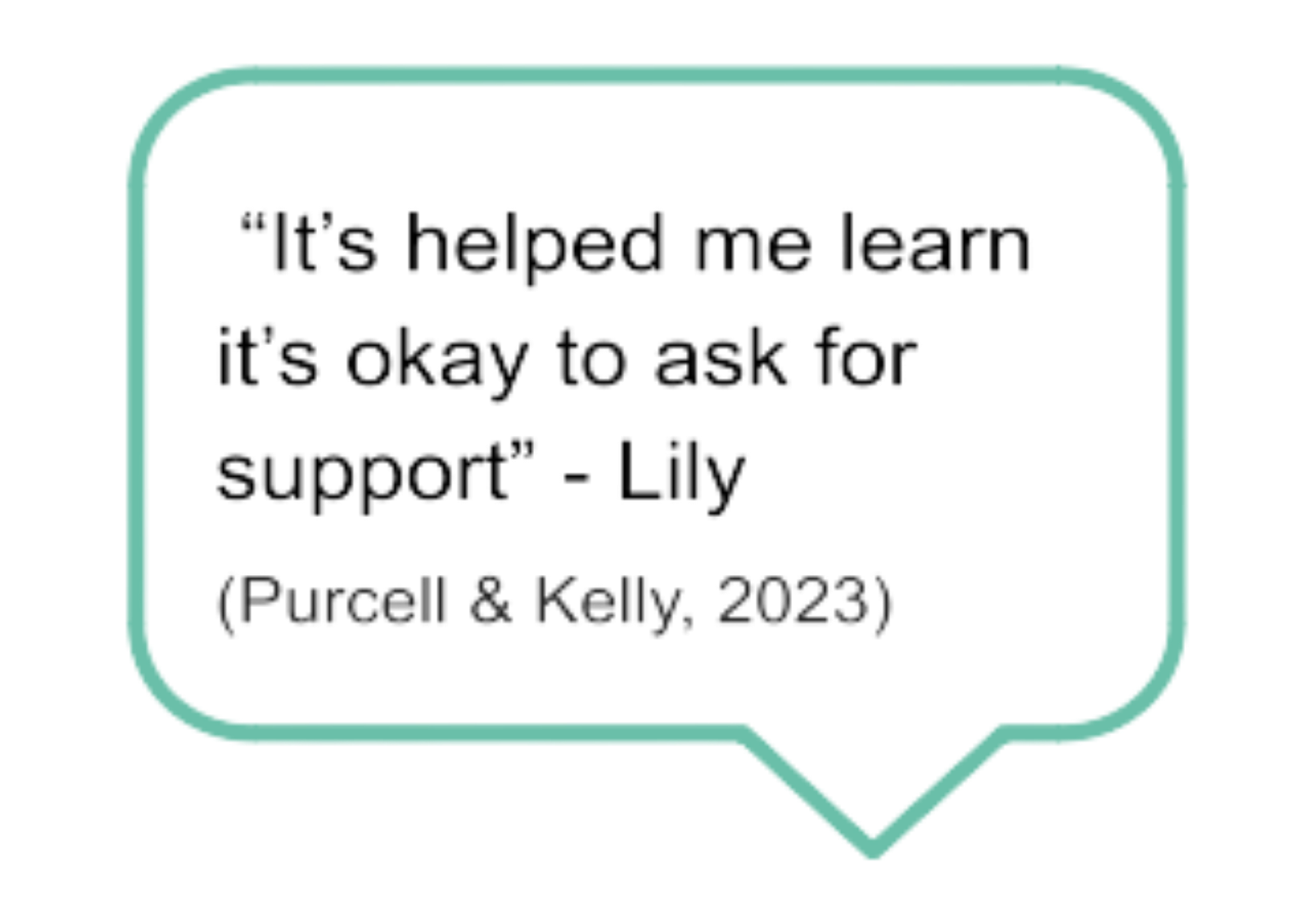
Reflecting a growing sense of emotional independence, one child in Purcell and Kelly’s study explained that “it’s helped me learn it’s okay to ask for support” (Lily), highlighting how ELSA may encourage children to recognise and communicate their emotional needs more confidently and independently over time. Therefore, suggesting that ELSA may support the development of emotional autonomy, self-confidence, and social understanding beyond the intervention itself (Krause et al., 2019; Purcell & Kelly, 2023).
“I feel calmer afterwards”
Children consistently report a positive emotional impact from ELSA sessions, particularly in relation to feelings of calm.
In Wong et al. (2020), pupils described strategies learned during sessions, such as breathing techniques or talking through their feelings, to help regulate emotions. Many children described feeling “calm” afterwards, suggesting that ELSA interventions may support the development of emotional regulation skills. The ability to reduce emotional arousal not only helps children manage immediate distress, but may also support more effective re-engagement with classroom learning.
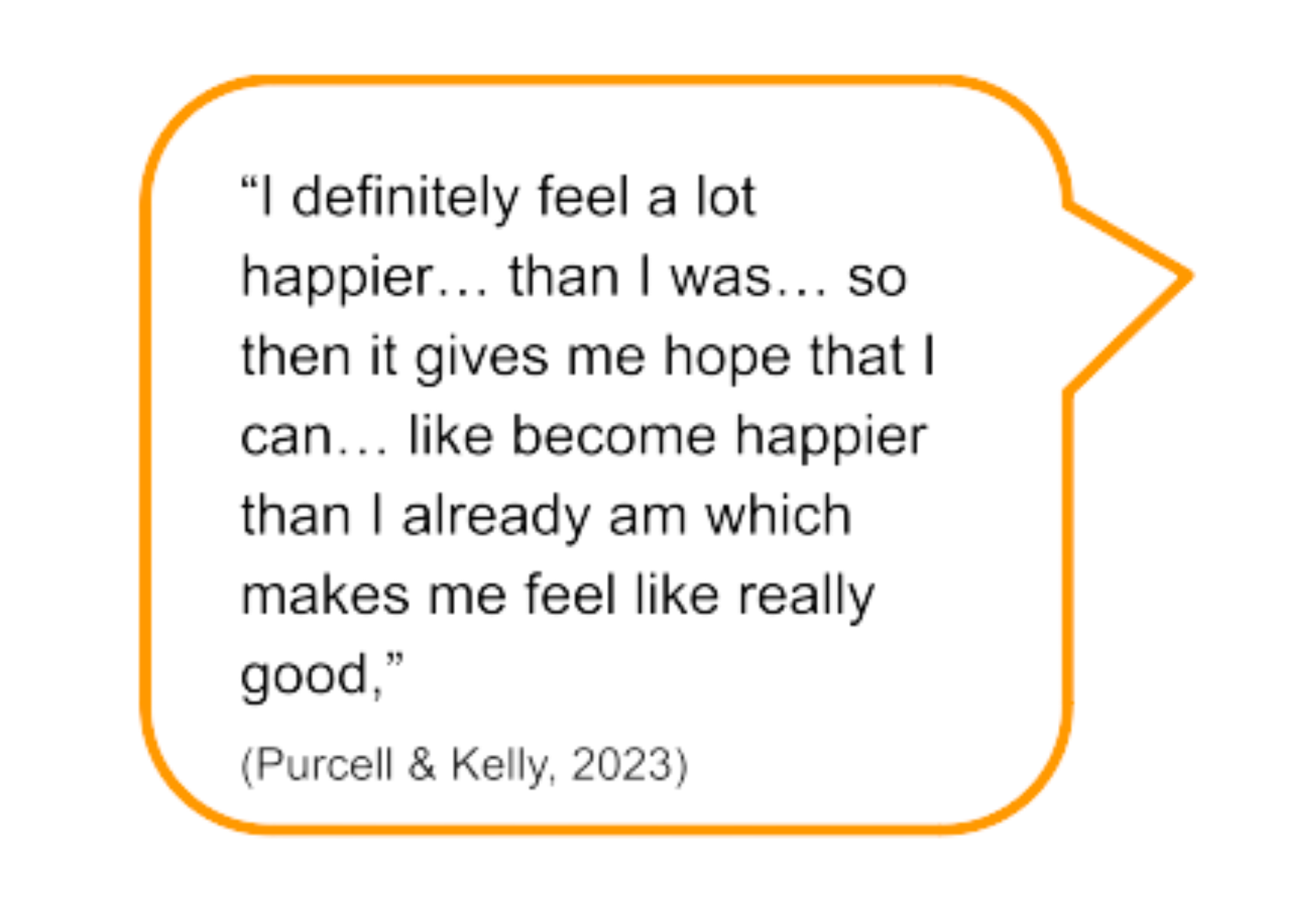
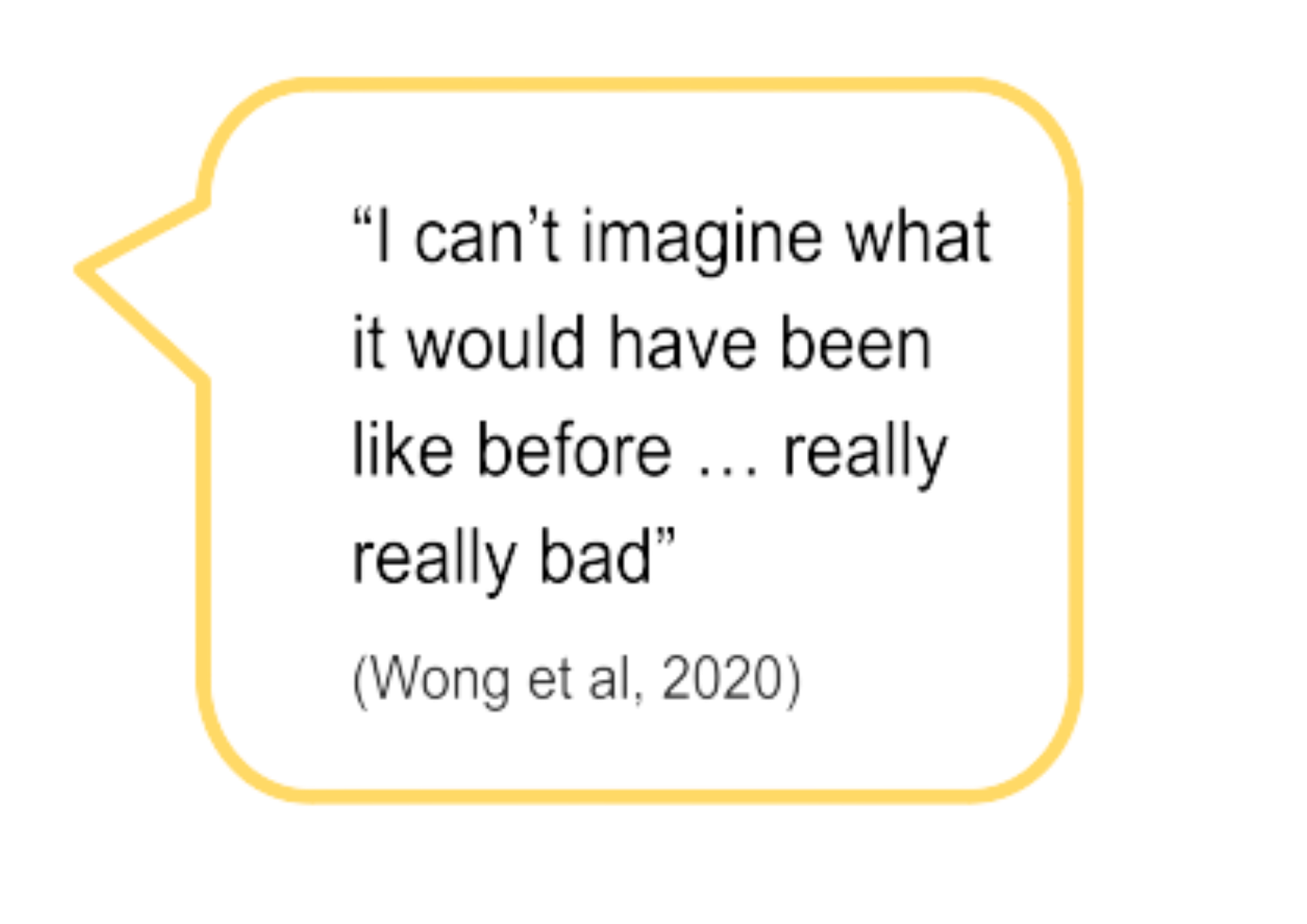
Children in the same study also described experiencing fewer worries, reduced emotional build-up, and fewer conflicts with peers following ELSA sessions. Many attributed this to having regular opportunities to talk through and process their feelings. Reflecting on the significance of this support, one child noted, “I can imagine what it would have been like before … really really bad” (Wong et al., 2020), highlighting how ELSA was experienced as a way of preventing emotional distress from escalating. Similarly, in Purcell and Kelly’s (2023) study, Peter described his experience by saying, “I definitely feel a lot happier… than I was… so then it gives me hope that I can… like become happier than I already am which makes me feel like really good,” capturing not only an increase in wellbeing but also a growing sense of hope for the future.
Interestingly, Purcell and Kelly (2023) also found that every single participant in their study reported positive wellbeing outcomes following ELSA support, with some children even describing positive effects on family relationships. These findings emphasise the wider emotional impact of ELSA and suggest that children begin to internalise self-regulation strategies that they can use more independently over time.
Providing a consistent space for emotional expression may help prevent distress from escalating and in turn, this can support improved wellbeing, greater engagement in school life and positive effects on family relationships.
“School feels easier now”
Children also describe wider benefits that extend beyond the ELSA session itself and into their everyday school experience.

This includes feeling more confident to take part in class, finding it easier to focus and re-engage with learning after sessions, and developing a more positive overall attitude towards school (Krause et al., 2019). Some children have described feeling “more comfortable in my own skin” and that “school feels easier now” (Purcell & Kelly, 2023), suggesting that emotional support may positively influence both self-perception and day-to-day engagement with school life. These reflections suggest that when children feel emotionally supported, this can have a wider impact on readiness to learn, classroom engagement, and how they experience school life overall.
Children have also reported increased feelings of safety and security within school and, for some, a greater appreciation of the importance of education itself (Purcell & Kelly, 2023).
Together, these changes highlight the role ELSA support may play in strengthening children’s sense of belonging and connection within school. contributing to a stronger sense of belonging in school and overall positivity.
“I don’t want it to end”
One important theme that emerges across the literature is how emotionally significant ELSA relationships can become for children.
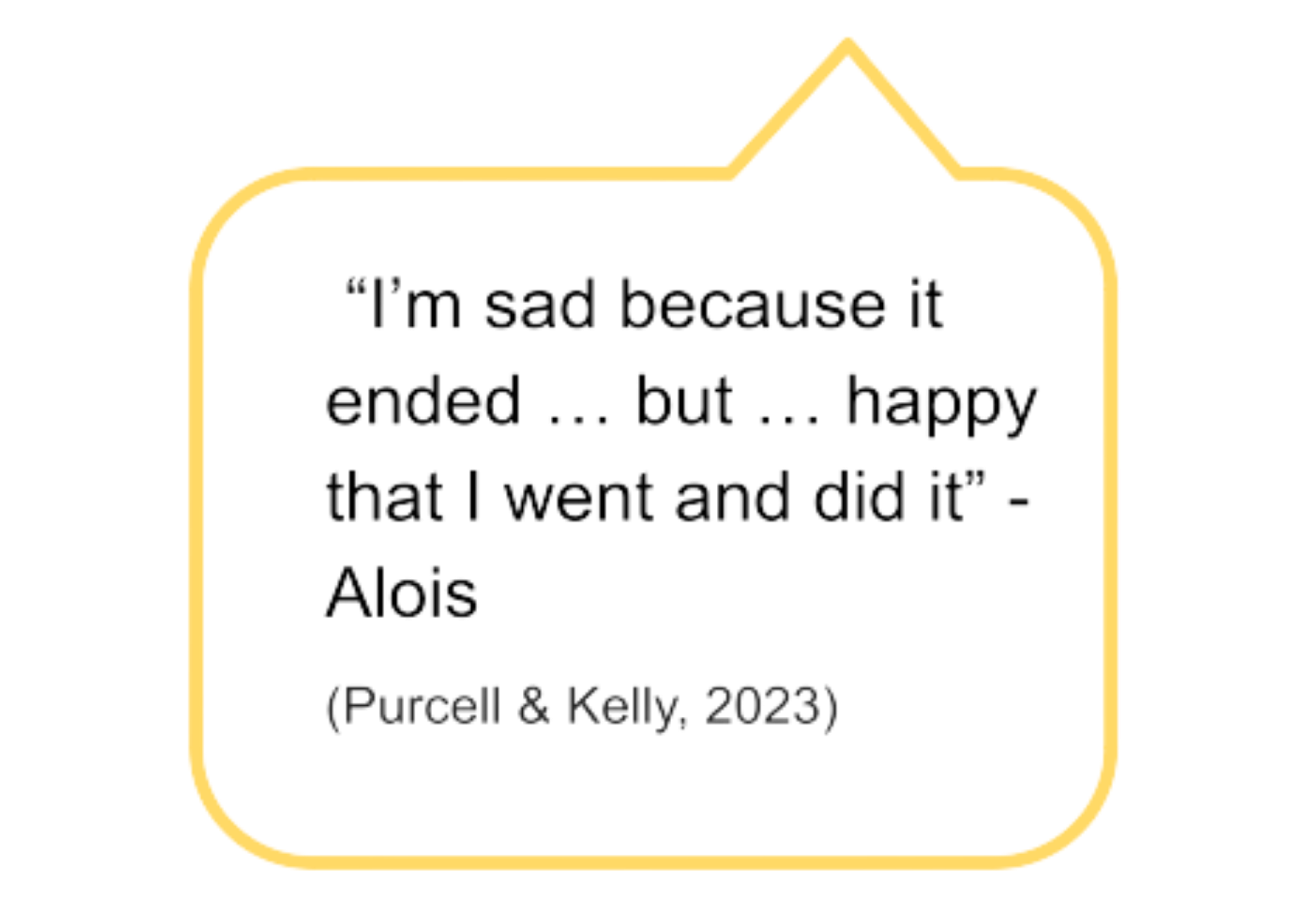
While this highlights the strength of the relational support being offered, it also raises important considerations around endings and transitions. Purcell and Kelly (2023) found that some children felt worried or upset about the prospect of ELSA sessions ending, a concern captured in one child’s reflection: “I’m sad because it ended … but … happy that I went and did it” (Alois). This comment conveys the emotional ambivalence that can accompany endings, where loss is experienced alongside a sense of achievement.
These reflections remind us that emotional support is not only about teaching strategies but consistency, safety, and trust within the relationship itself appear to matter significantly.
Across the literature, children consistently emphasise that the quality of the relational and emotional environment is central to how they experience ELSA support. Rather than focusing primarily on the structure or content of sessions, they highlight how they are treated and how participation makes them feel.
Being listened to, having time and space, feeling understood, and not being judged are repeatedly identified as central to their experience of support (Wong et al., 2020; Purcell & Kelly, 2023; Rogers, 1957). Alongside this, trust, consistency, opportunities for engagement, and having a sense of choice also shape how children experience interventions. Taken together, this suggests that how support is delivered may be just as important as the specific content of the intervention itself.
The impact of ELSA also appears to extend beyond individual sessions. Children describe changes in classroom engagement, peer relationships, emotional regulation, confidence, and a greater sense of belonging within school, as well as positive effects on relationships outside of school (Krause et al., 2019; Purcell & Kelly, 2023). This reinforces the idea that emotionally supportive relationships can influence children’s wider school experience in meaningful ways.
Perhaps most importantly, children’s voices consistently reinforce these findings. They emphasise what matters most in simple but powerful terms: feeling listened to, feeling safe, and feeling understood. This body of research reminds us that children are not simply recipients of intervention but active experts in their own experiences. When we listen closely to what children say about ELSA, they describe how supportive relationships can make school feel safer, emotions feel more manageable, and difficulties feel easier to carry.
When seen in this way, ELSA is not only about strategies or outcomes. It is about the moments that children carry with them. Moments where, as one child put it at the start of this work, “it helps me feel calm.”
In many ways, that in itself may be the most important finding of all.
References (APA 7th Edition)
Ainsworth, M. D. S., & Bowlby, J. (1991). An ethological approach to personality development. American Psychologist, 46(4), 333–341.
Allen, K. A., Vella-Brodrick, D., & Waters, L. (2018). School belonging and academic, social and emotional outcomes: A meta-analysis. Educational Psychology Review, 30(3), 1–26.
Burton, S. (2008). Empowering learning support assistants to enhance the emotional wellbeing of children in school. Educational and Child Psychology, 25(2), 40–56. https://doi.org/10.53841/bpsecp.2008.25.2.40
Hattie, J. (2009). Visible learning: A synthesis of over 800 meta-analyses relating to achievement. Routledge.
Krause, N., Blackwell, L., & Claridge, S. (2020). An exploration of the impact of the Emotional Literacy Support Assistant (ELSA) programme on wellbeing from the perspective of pupils. Educational Psychology in Practice, 36(1), 17–31
Osterman, K. F. (2000). Students’ need for belonging in the school community. Review of Educational Research, 70(3), 323–367. https://doi.org/10.3102/00346543070003323
Pianta, R. C. (1999). Enhancing relationships between children and teachers. American Psychological Association.
Purcell, R., Kelly, C., & Woods, K. (2023). Exploring secondary school pupils’ views regarding the skills and outcomes they gain whilst undertaking the Emotional Literacy Support Assistant (ELSA) intervention. Pastoral Care in Education, 43(1), 25–46. https://doi.org/10.1080/02643944.2023.2265390
Rogers, C. R. (1957). The necessary and sufficient conditions of therapeutic personality change. Journal of Consulting Psychology, 21(2), 95–103. https://doi.org/10.1037/h0045357
Hills, R.A. (2016). An evaluation of the emotional literacy support assistant (ELSA) project from the perspectives of primary school children. Educational and Child Psychology.
Woodcock, Colin & Pickering, Leanne & Lambeth, Joanne. (2019). The Emotional Literacy Support Assistant (ELSA) Programme: Can you develop an evidence base for an adaptive intervention?. DECP Debate. 1. 10.53841/bpsdeb.2019.1.170.17. Wong, S., et al. (2020). Primary school children’s perspectives and experiences of Emotional Literacy Support Assistant (ELSA) support.

We pride ourselves on delivering training content and supervision supported by evidence, research and scientific principles.

